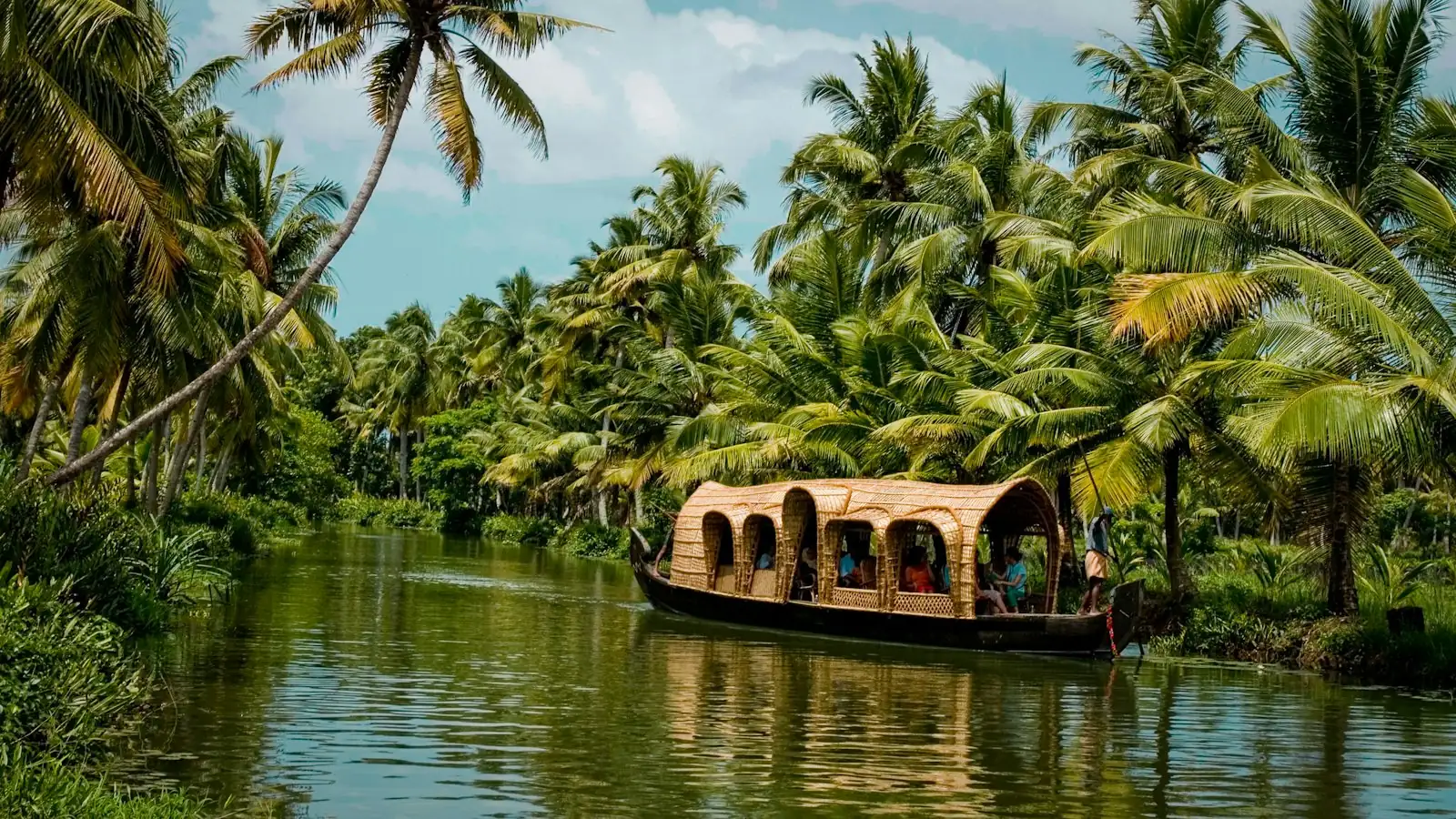
Ayurveda in Kerala & the Himalayas
Slow down. Breathe. Restore.
Classical Ayurveda at physician-led centres, for one to four quiet weeks.
- How long
- 1 to 4 weeks
- Where
- Kerala & the Himalayas
- Cost
- From $3,450 for 14 days
How it works
Simple, from start to finish.
- 1
Tell us what you'd like
Rest, a cleanse, better sleep, or relief for aches. Two minutes.
- 2
We suggest a few places
Two or three centres that suit you, with dates and a written price.
- 3
Stay, and let it work
A doctor sees you daily and sets your treatments, meals and rest.
What people come for
Pick what sounds like you.
- PanchakarmaA traditional cleanse: gentle oil treatments, simple food and plenty of rest14–28 days
from $2,800 - Stress & sleepFor when you feel worn out and aren't sleeping well7–14 days
from $2,400 - Joints & achesSoothing treatments for stiffness and long-standing aches14–21 days
from $3,200 - Yoga & resetYoga, breathing and quiet days in the mountains7–14 days
from $4,500
Not sure? Answer three questions and we'll suggest one.
A day there
Quiet, steady and simple.
Most of the day is treatment, food and rest, at the same times each day. The routine is part of the treatment.
Times vary between centres and programmes. Your doctor sets yours on the first day.
Wake up
Warm water or a herbal drink the doctor has chosen for you
Yoga and breathing
A gentle class, adjusted to your level
Breakfast
Light and warm, often porridge or stewed fruit
Main treatment
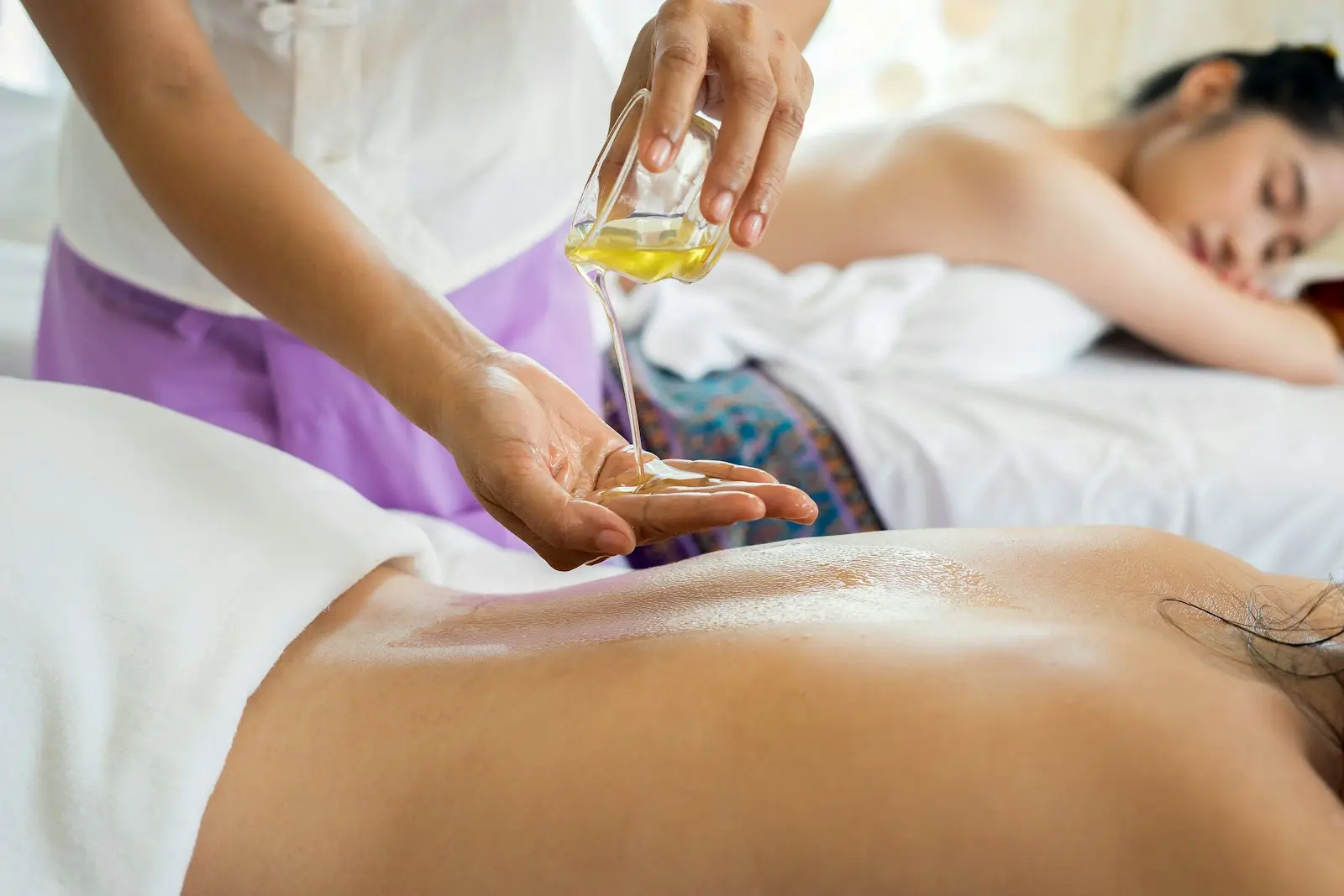
Usually warm oil massage (Abhyanga) followed by herbal steam
See the doctor
A short daily check: how you slept, digestion, energy. Treatments are adjusted
Lunch
The main meal of the day, vegetarian and set for you
Rest
Quiet time: reading, a walk, or a sleep. Screens kept to a minimum
Second treatment
Such as Shirodhara or Kizhi, depending on your programme
Meditation
Guided relaxation or a sunset walk
Light dinner
Soup or something simple, and an early night
How long
One week rests you. Three weeks resets.
A real rest
A taste of the routine: massage, Shirodhara, yoga and early nights. Not long enough for Panchakarma.
Shortest Panchakarma
Time for the three stages, if the centre keeps a tight schedule. Good for stress, sleep and stiffness programmes.
Panchakarma, unhurried
Each stage gets its proper time, with a slower return to normal food. What we usually suggest.
Panchakarma and rebuilding
Adds a rebuilding phase (rasayana) after the cleanse. For people who can take a month.
Planning your stay: visa, flights, packing and costs.
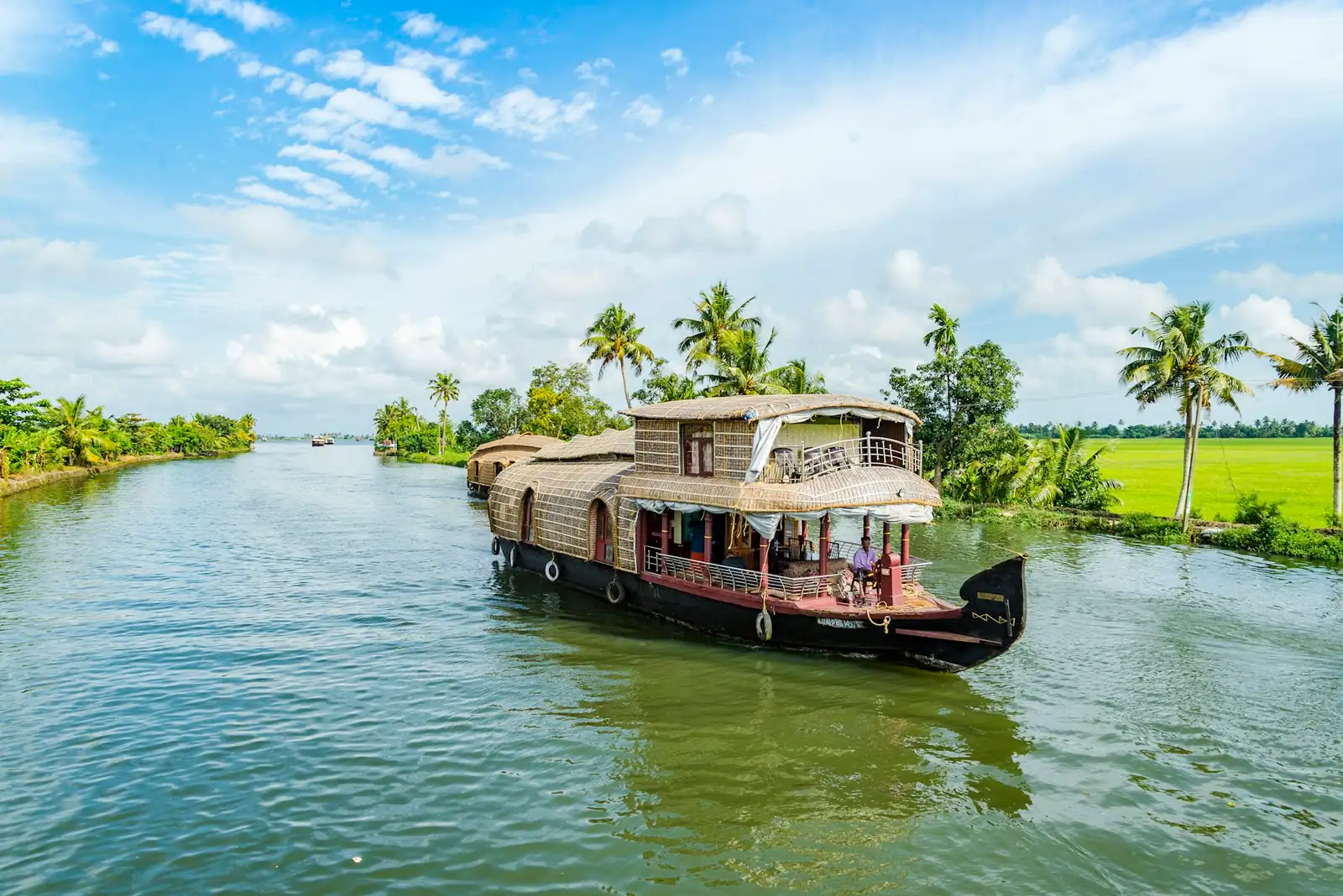
Kerala
Warm, green, by the water
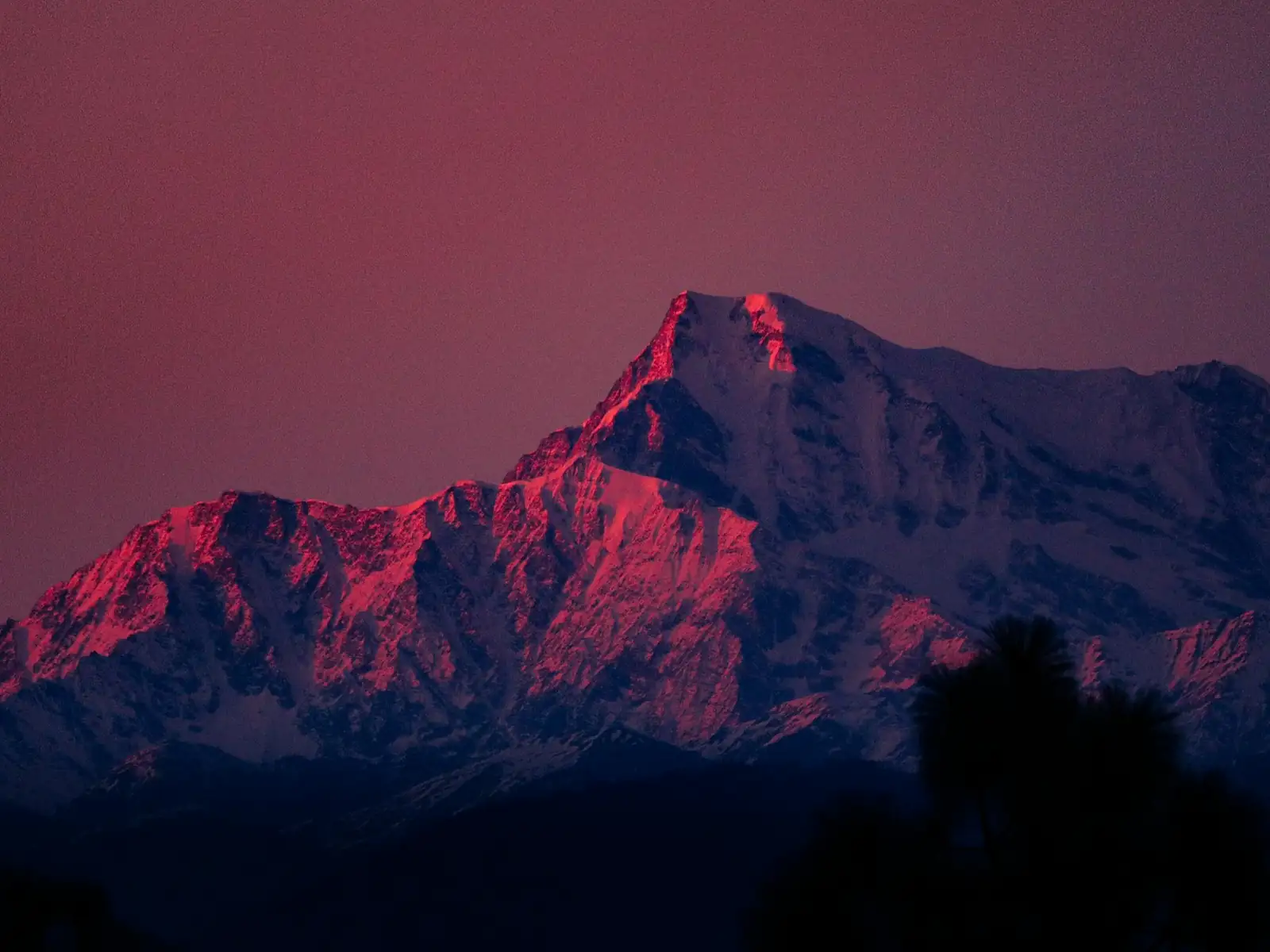
What it costs
Fourteen days, centre by centre.
The price covers your room, the doctor, treatments, herbal medicines and meals. It depends mostly on how the place feels: a strict traditional centre, a calm resort or a luxury retreat.
- SomatheeramKerala · Calm resort$3,450
- CarnoustieKerala · Luxury retreat$5,320
- SoukyaKarnataka · Integrative centre$5,880
- Kalari KovilakomKerala · Traditional and strict$6,720
- Six Senses VanaHimalayas · Integrative centre$9,100
- Ananda in the HimalayasHimalayas · Luxury retreat$11,200
When to go
Every month works somewhere.
| J | F | M | A | M | J | J | A | S | O | N | D | |
|---|---|---|---|---|---|---|---|---|---|---|---|---|
| Kerala | ||||||||||||
| Himalayan foothills | ||||||||||||
| Bengaluru |
Honestly
What to expect, and what not to.
What it is
A structured stay with a qualified Ayurveda doctor (BAMS or MD Ayurveda) setting your treatments, food and routine. Many people come home rested, sleeping better and with better habits.
What we won't promise
Cures, weight loss, "detox" results or reversed ageing. Evidence for many Ayurveda treatments is limited, and anyone promising outcomes should make you cautious.
Staying safe
Talk to your own doctor first, tell the centre's doctor everything you take, and don't stop prescribed medicines. Some stays aren't suitable in pregnancy or after recent surgery.
Good to know
How is this different from a spa holiday?
At the centres we suggest, a qualified Ayurveda doctor (BAMS or MD Ayurveda) sees you on arrival and then regularly, and sets your treatments, food and routine. The treatments follow a programme rather than a menu, and the food and rest are part of it.
Which visa do I need?
For treatment at an Ayurveda centre, India's official e-Visa site lists an e-Medical visa for Ayush (traditional Indian medicine) purposes, which needs a letter from the centre. Eligibility depends on your passport, the same as for other e-Visas. We check which visa fits your stay and get the centre's letter for you.
How long should I stay?
A week is enough for rest and a taste of the routine. Classical Panchakarma needs at least 14 days, and 21–28 days gives each stage its proper time. Each programme page explains why.
When is the best time to go?
Kerala is dry and pleasant from October to March; June to September is the monsoon, which is the traditional Ayurveda season. The Himalayan foothills are best March–June and September–November. Bengaluru is mild all year.
Is it safe if I have a health condition?
Tell your own doctor before you book, and tell the centre's doctor everything you take. Keep taking prescribed medicines unless your own doctor says otherwise. Some stays aren't suitable in pregnancy, after recent surgery or with serious heart, kidney or liver disease.
Can Ayurveda cure my condition?
We don't make that claim, and you should be wary of anyone who does. Many people find a stay restful and helpful. Evidence for many treatments is limited, and Ayurveda isn't a replacement for medical care.
What's included in the price?
Usually your room, the doctor's consultations, treatments, herbal medicines during the stay, meals, yoga and airport transfers. Flights, the visa and any extras aren't. We confirm inclusions in writing before you book.
Is this connected to your medical travel service?
No. Ayurveda stays are a separate service. We don't combine them with surgery or hospital treatment.
When you're ready, we'll arrange the rest.
A separate service from our medical travel. Each centre's physicians are responsible for your programme.